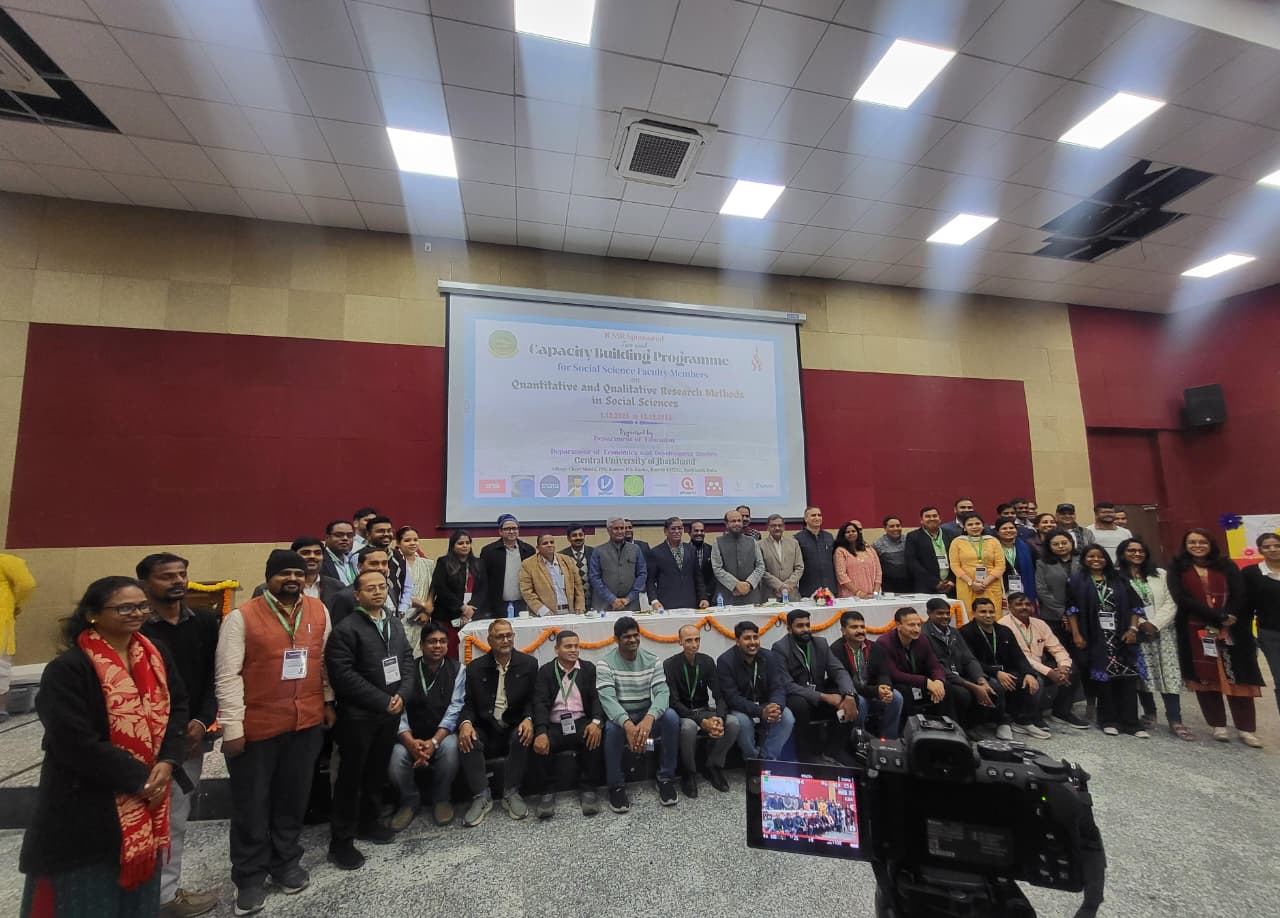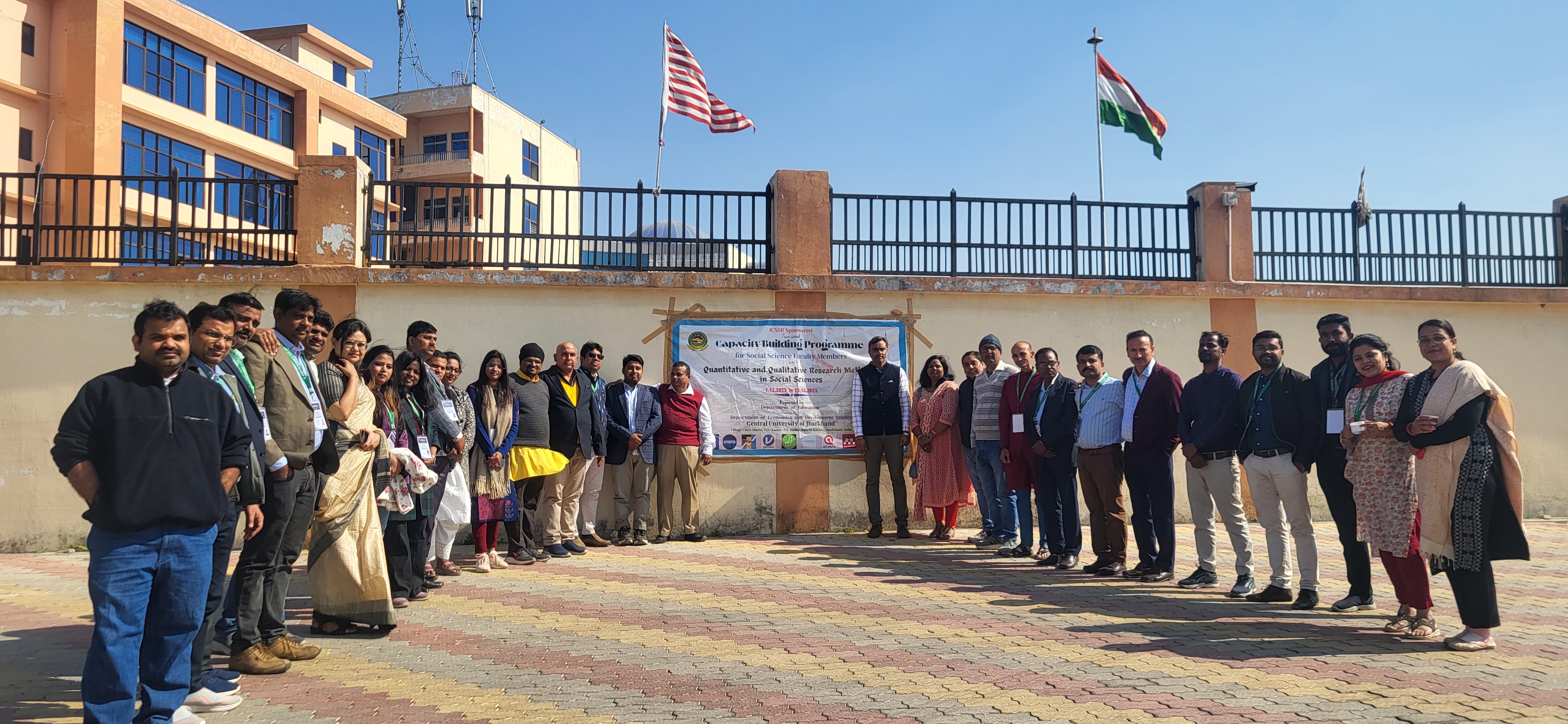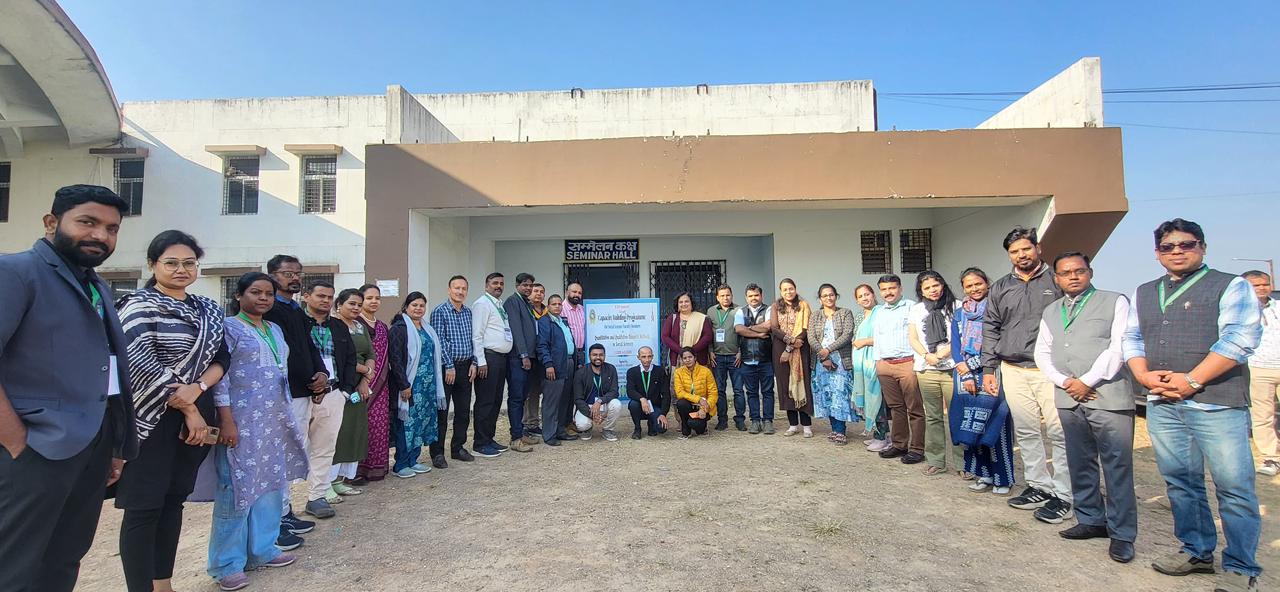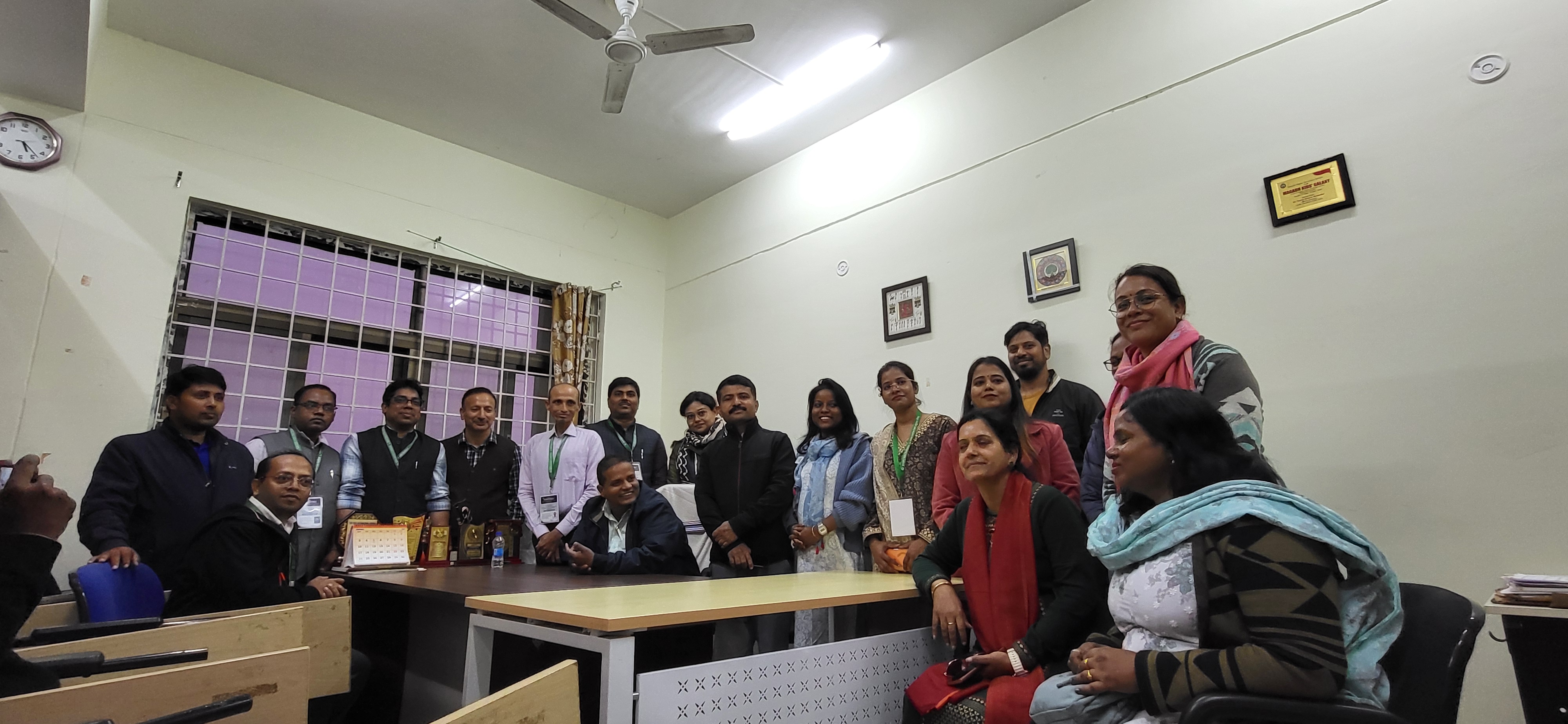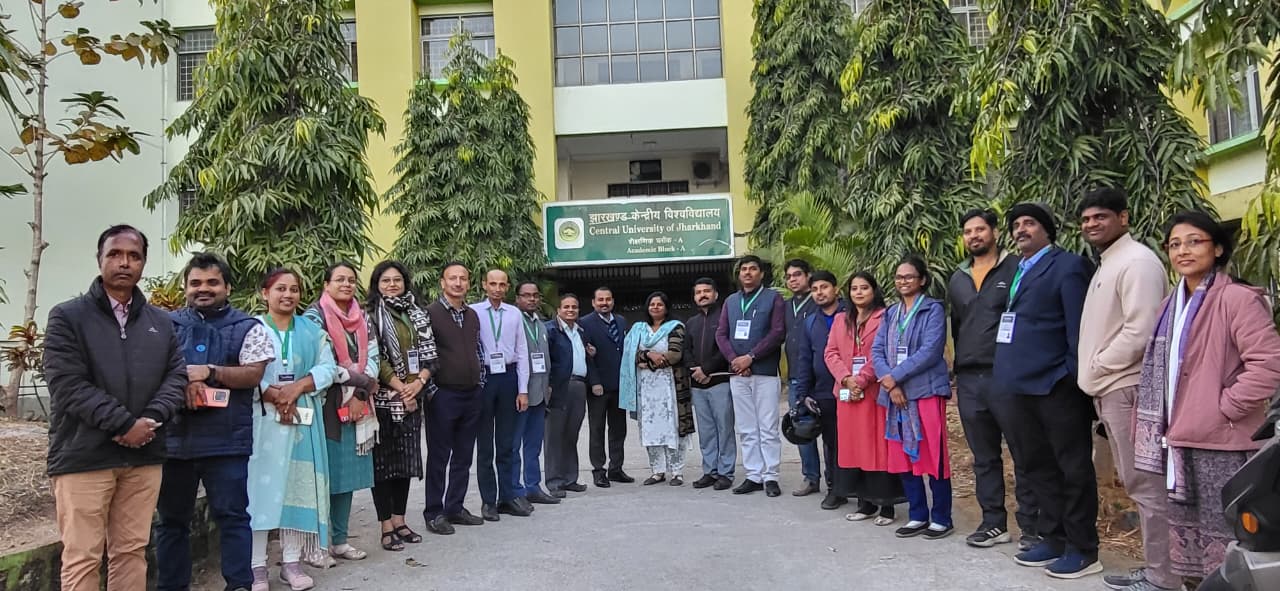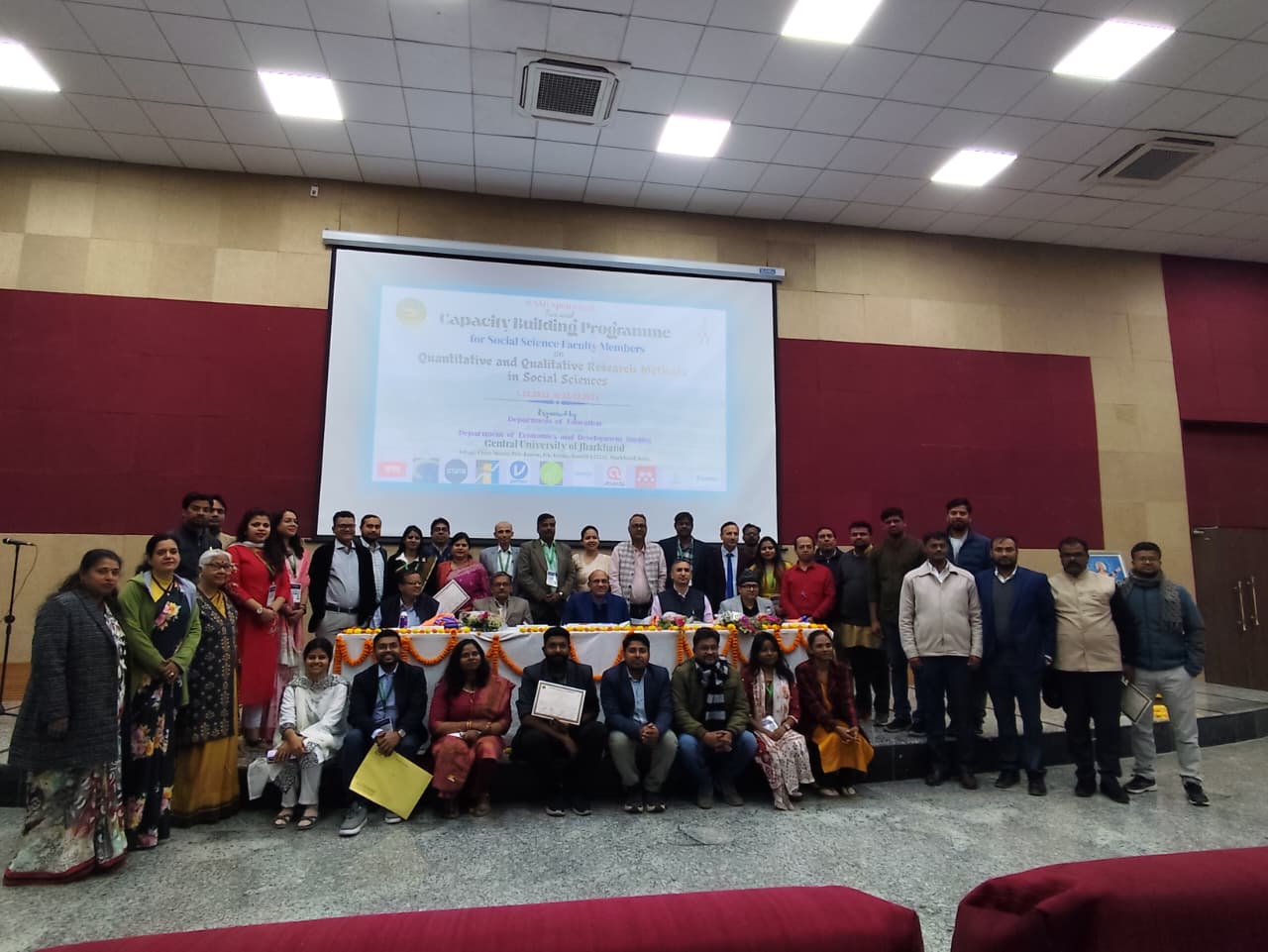
A Two-Week ICSSR-sponsored Capacity Building Programme on the theme “Quantitative and Qualitative Research Methods in Social Sciences” was organised by the Department of Education in collaboration with Department of Economics and Development Studies, Central University of Jharkhand (CUJ), Ranchi, from 1st to 13th December 2025. The programme aimed to strengthen the research capacities of social science faculty members by providing them comprehensive exposure to contemporary quantitative and qualitative research paradigms, tools and methodologies, and emerging interdisciplinary perspectives of quantitative and qualitative research.
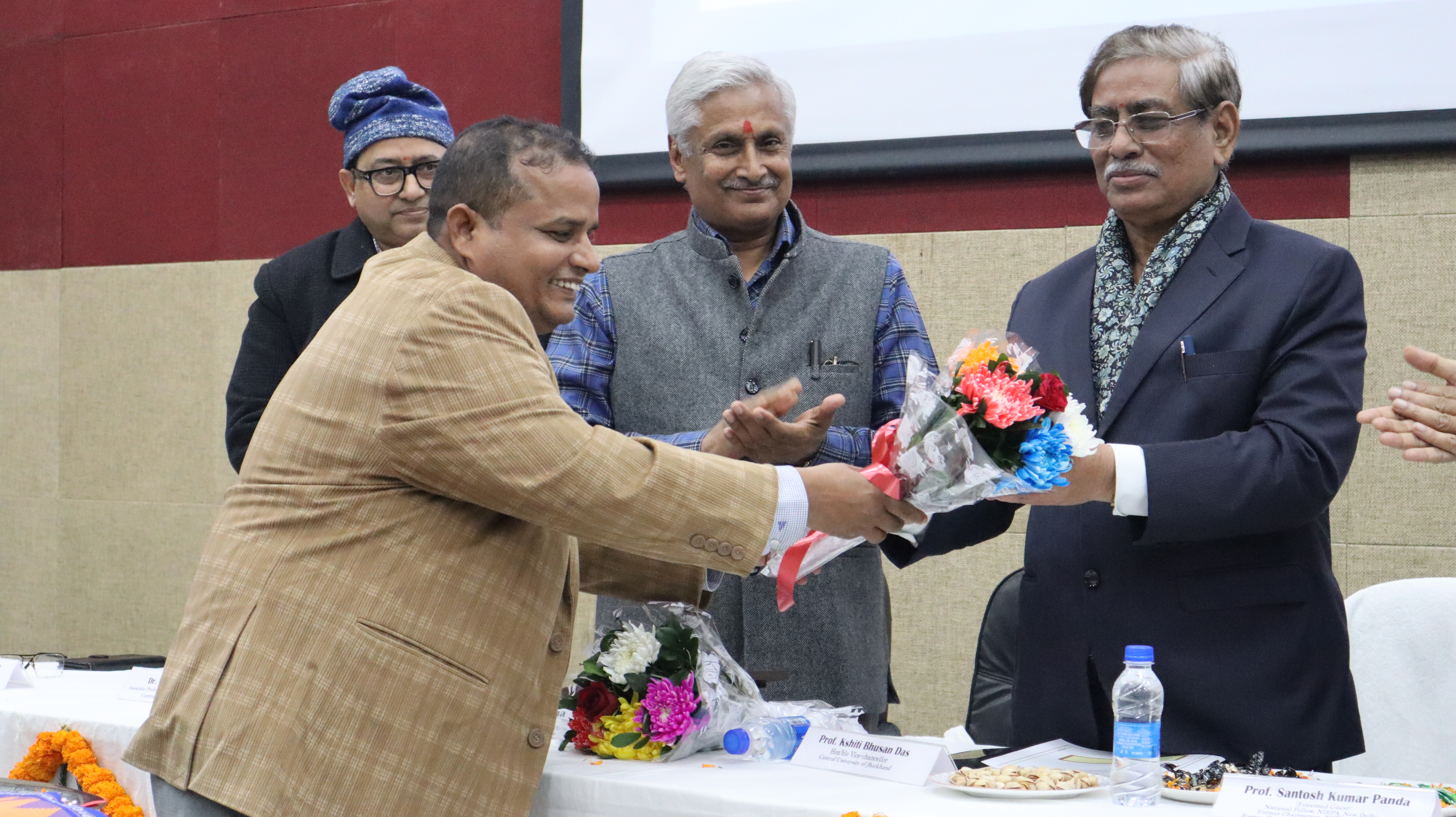
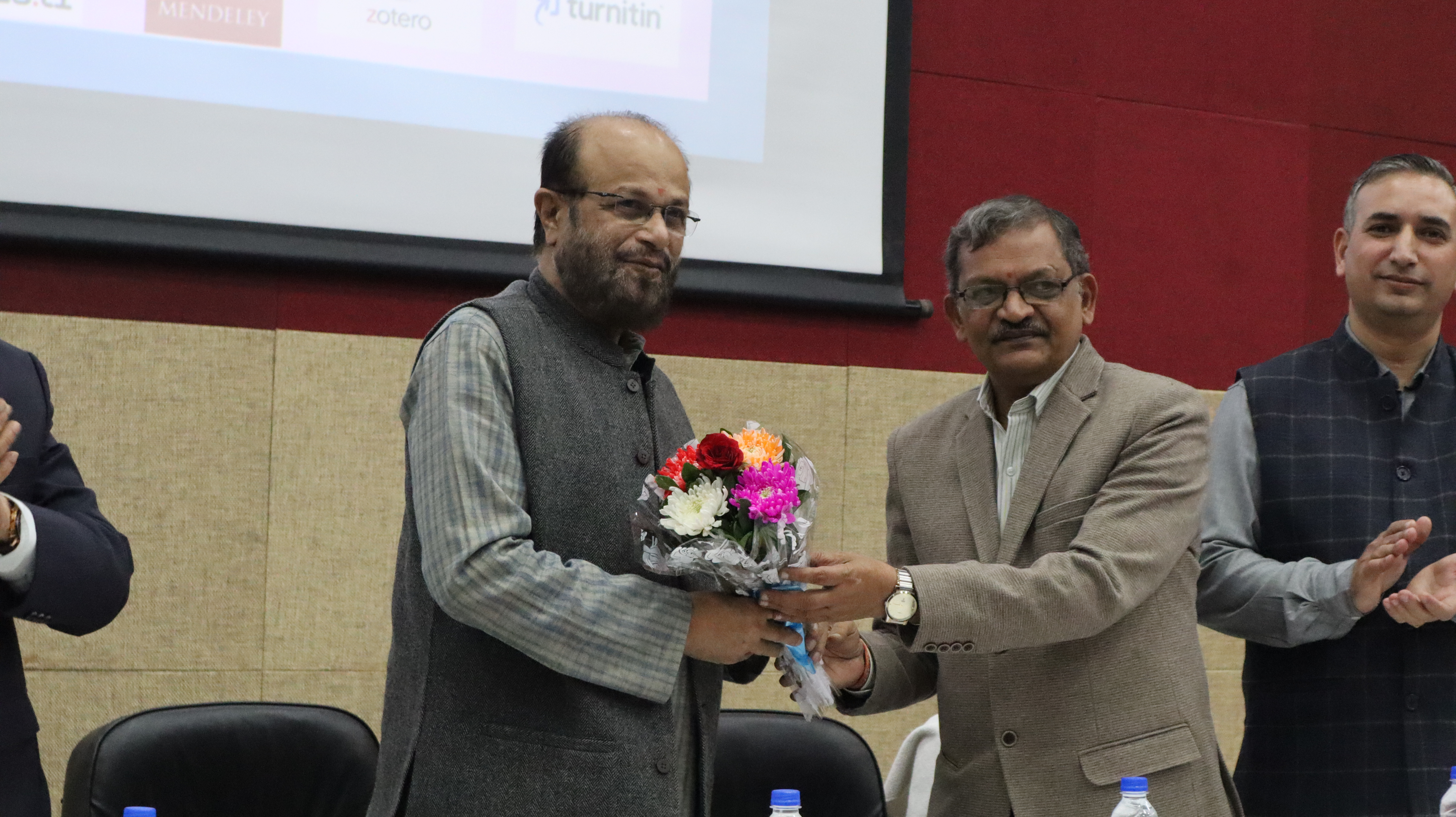
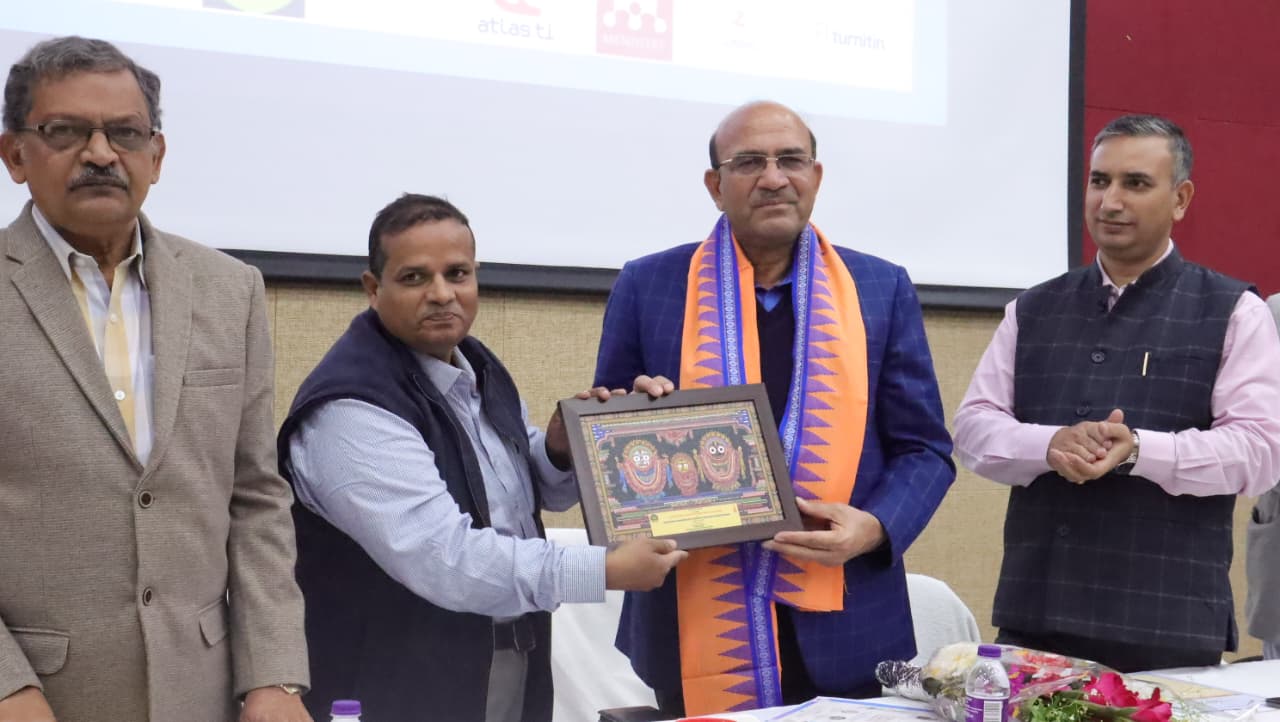
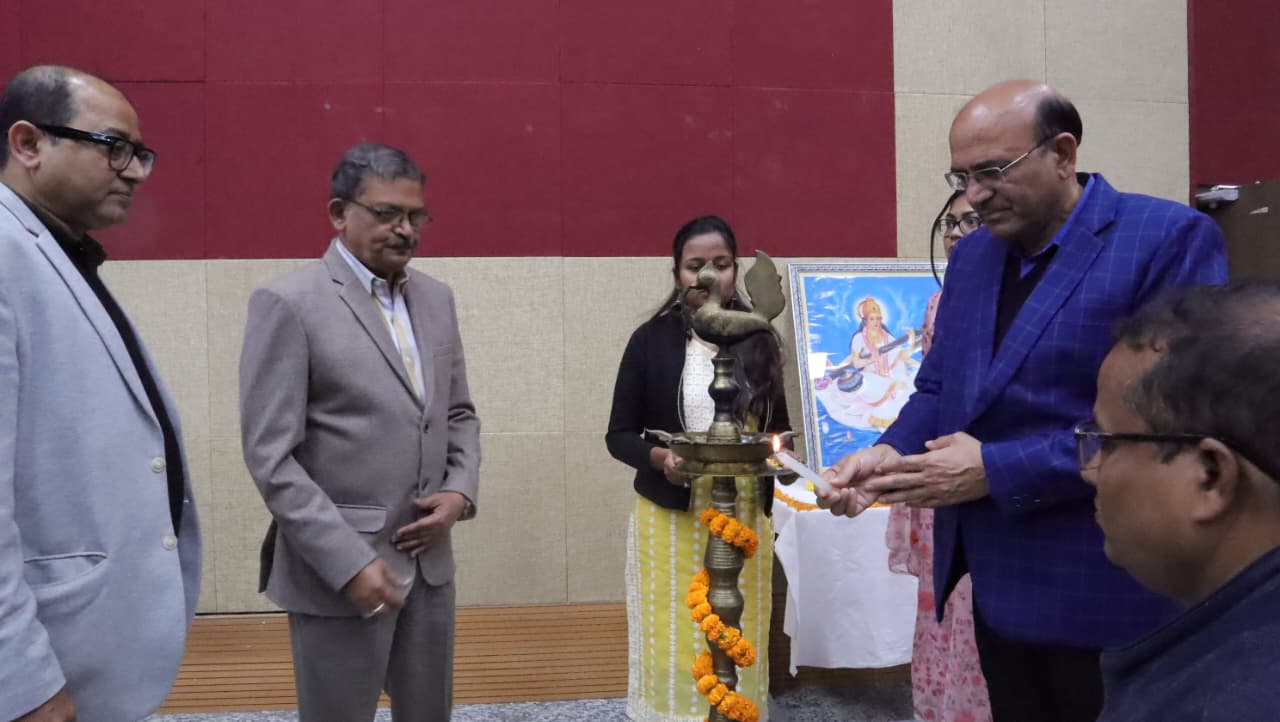
The Inaugural Session of the programme on 1st Dec. 2025 was graced with the presence of Prof. C. B. Sharma, Vice-Chancellor, Vinoba Bhave University, Hazaribagh, and Prof. Santosh K. Panda, National Fellow, National Institute of Educational Planning and Administration (NIEPA), New Delhi, as esteemed guests. In the inaugural address, Prof. C. B. Sharma stressed on the importance of truth in research, highlighting the need for methodological training in research to promote authenticity and integrity in research. He stated that a researcher should reflect deeply on the purpose, process, and societal relevance of his/her work. Prof. Santosh K. Panda, in his inaugural remarks, highlighted the importance of research for the societal development from multidimensional perspectives. He explained its relevance to the Academic Performance Indicator (API) in educational institutions. He also linked research to global and national academic priorities by referring to the World Happiness Index and the National Credit Framework. The presidential address of the Inaugural Session was delivered by Prof. Kshiti Bhushan Das, Vice Chancellor, Central University of Jharkhand, Ranchi. Prof. Das, in his presidential address, emphasized the indispensable need for capacity-building programmes in research in equipping scholars and teachers for the evolving academic landscape. Emphasising that research is driven by passion, curiosity, and critical inquiry, he remarked that every teacher must view himself/herself as a researcher. A total of 34 participants from different universities and colleges across 12 Indian states, namely Assam, West Bengal, Uttar Pradesh, New Delhi, Madhya Pradesh, Kerala, Odisha, Kashmir, Andhra Pradesh, Tamil Nadu, Bihar, and Jharkhand, took part in the programme. The participants represented diverse disciplines within the social sciences and their allied fields like Education, Economics, History, Political Science, Global Affairs, Statistics, Anthropology and Tribal Studies, Journalism and Mass Communication, Visual Arts, Sanskrit, English and Korean, etc. A total of 21 resource persons from different leading institutions of the country, including Central University of Jharkhand contributed to the programme.
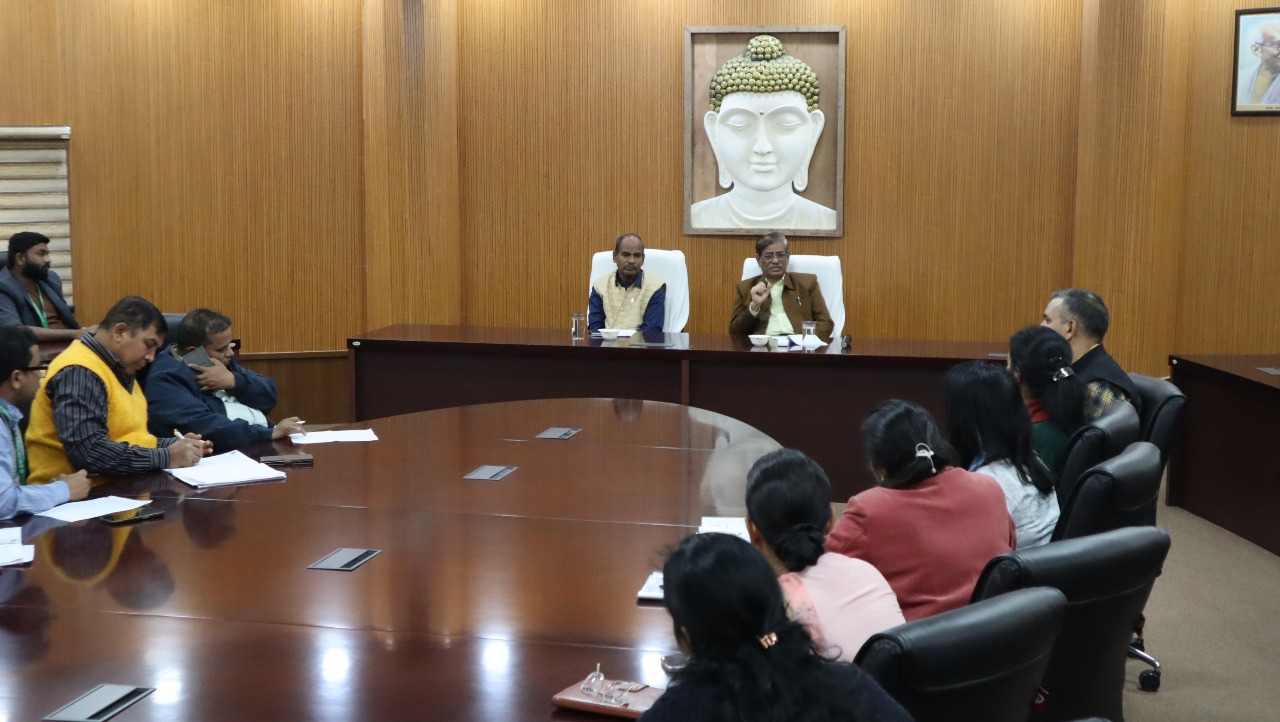
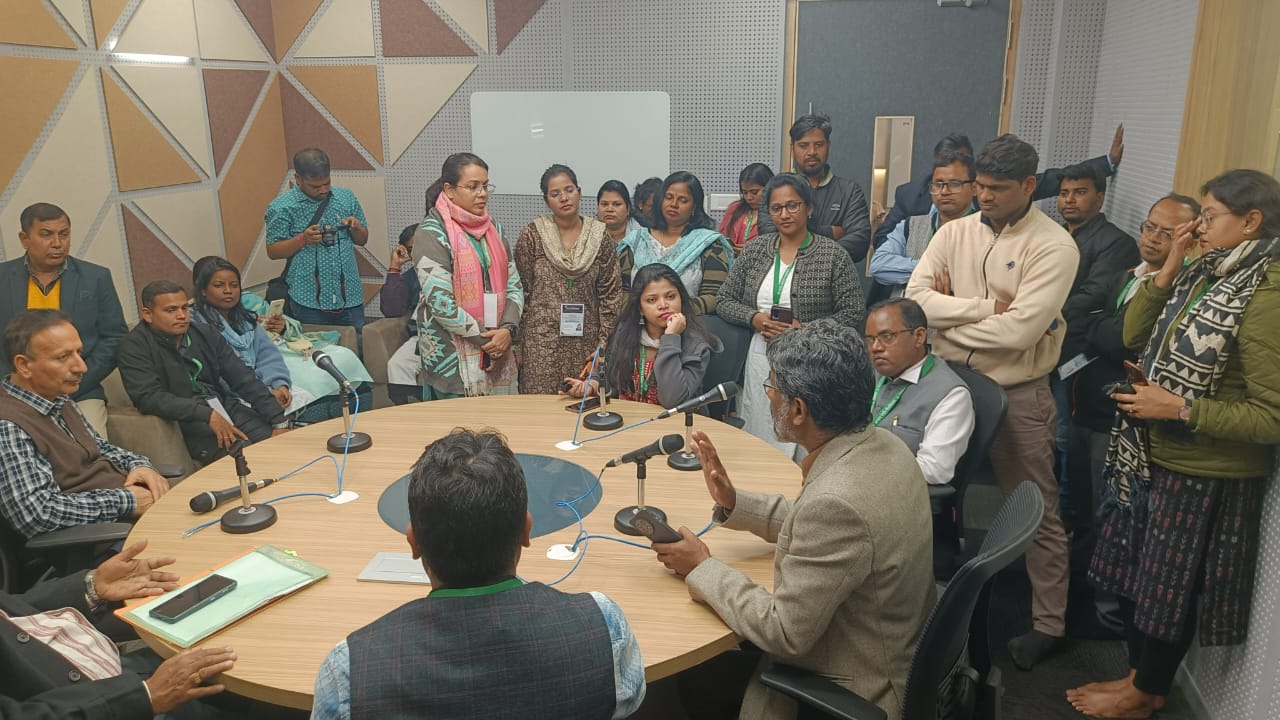
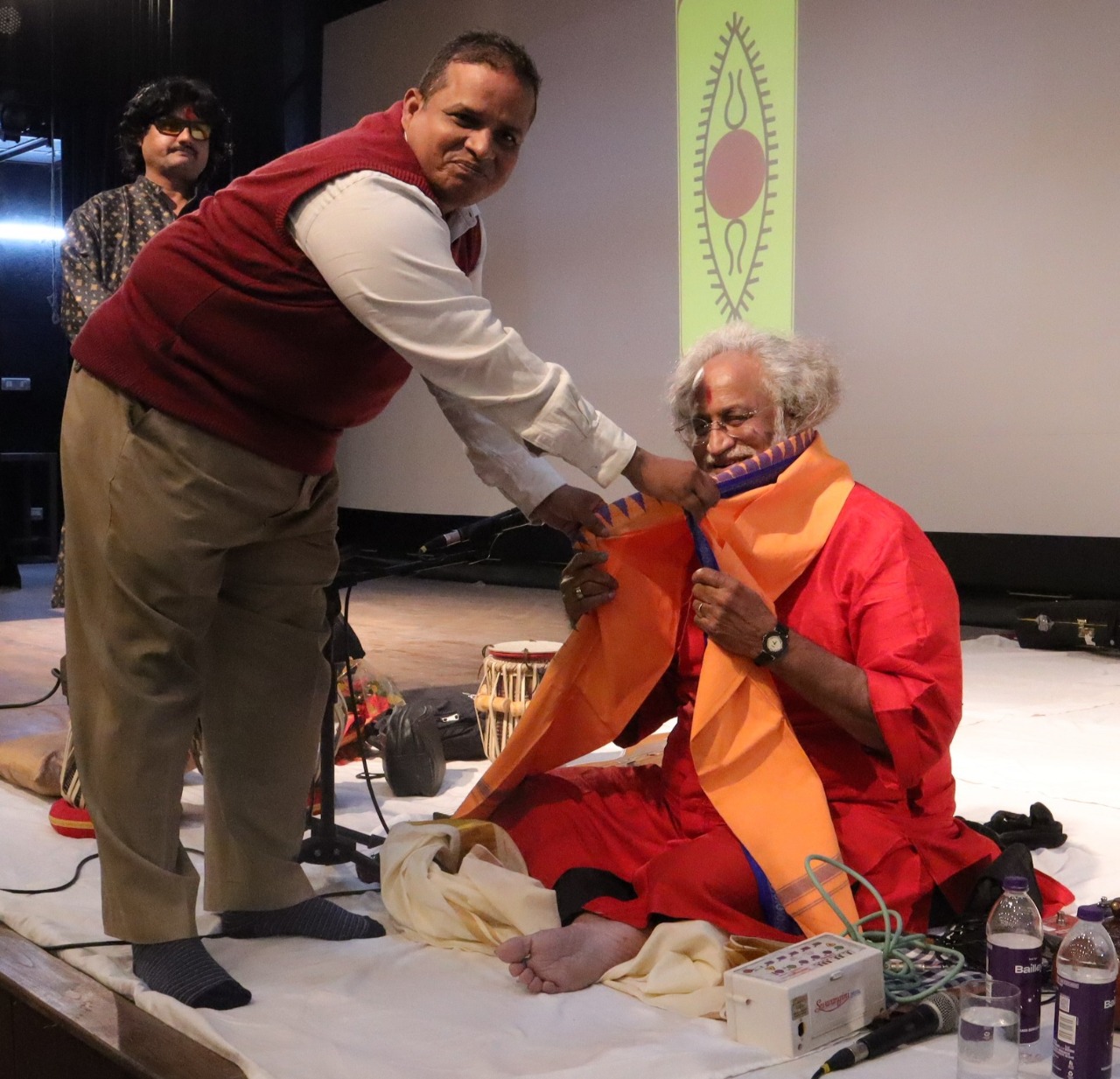
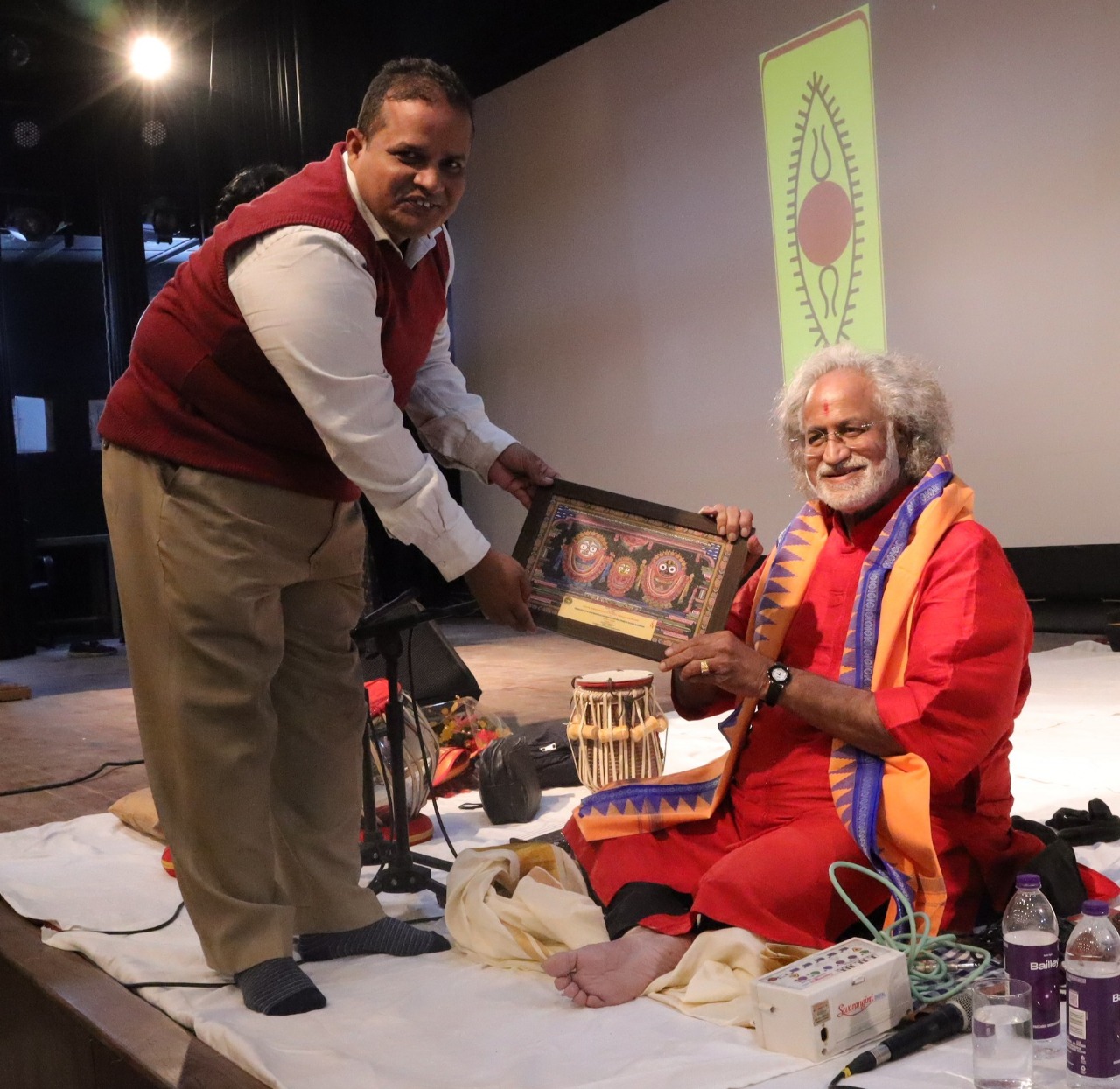
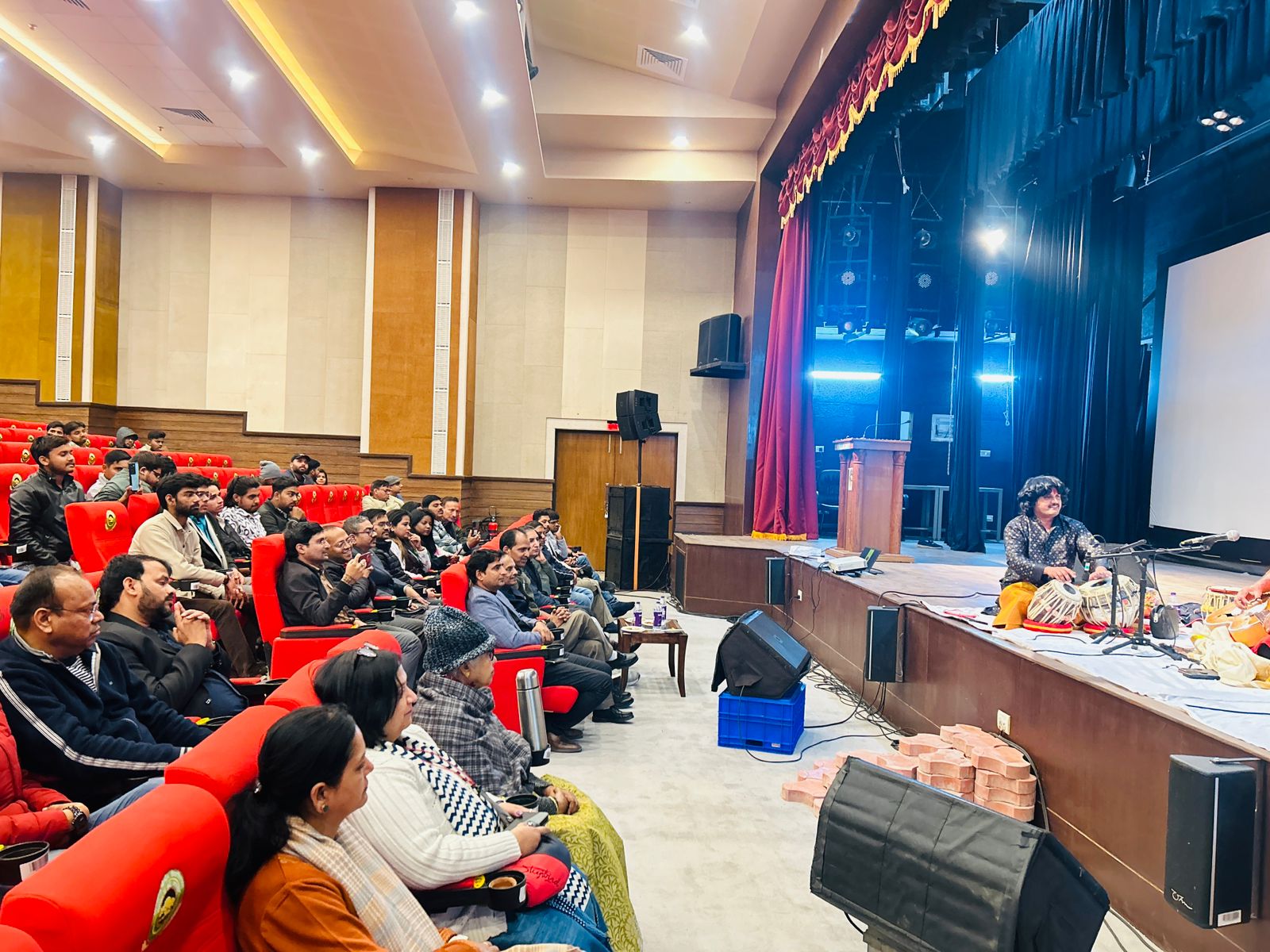
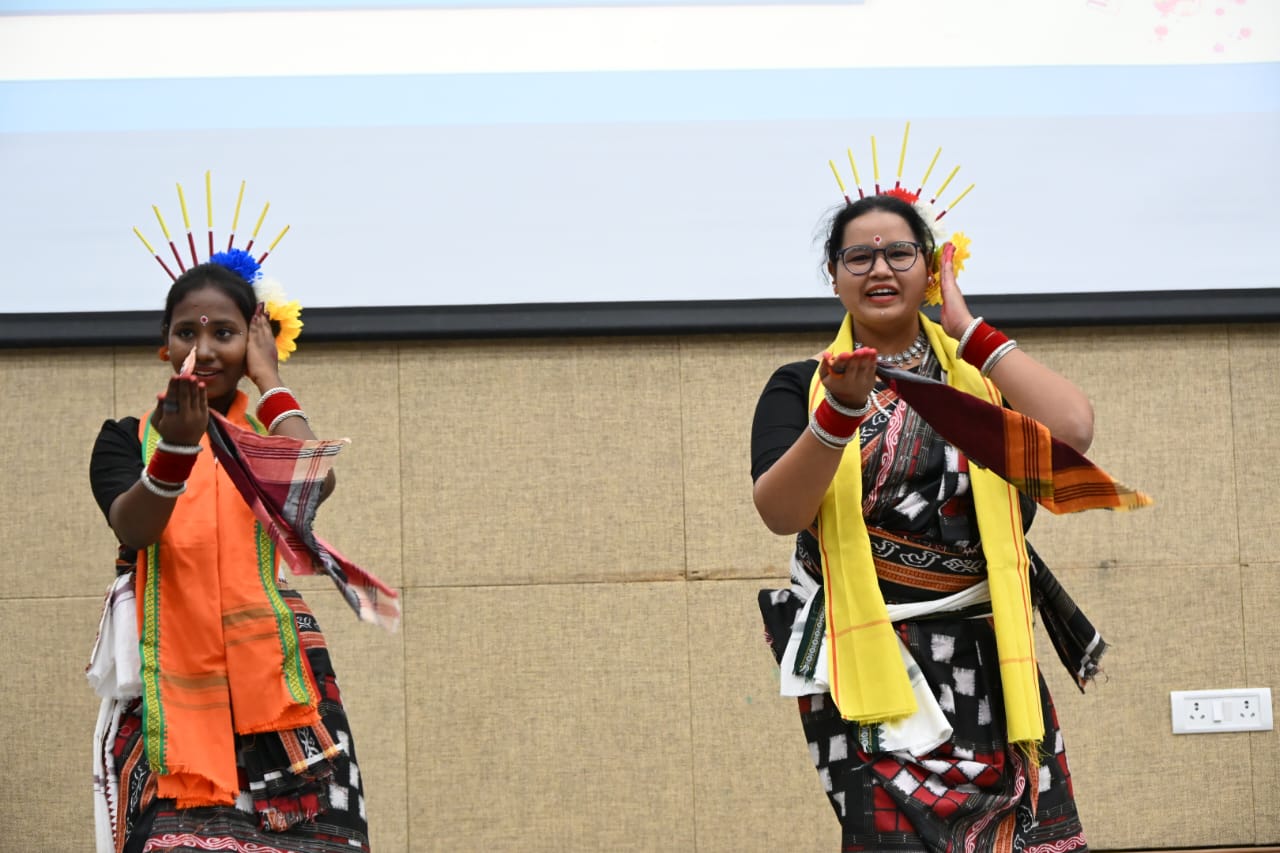
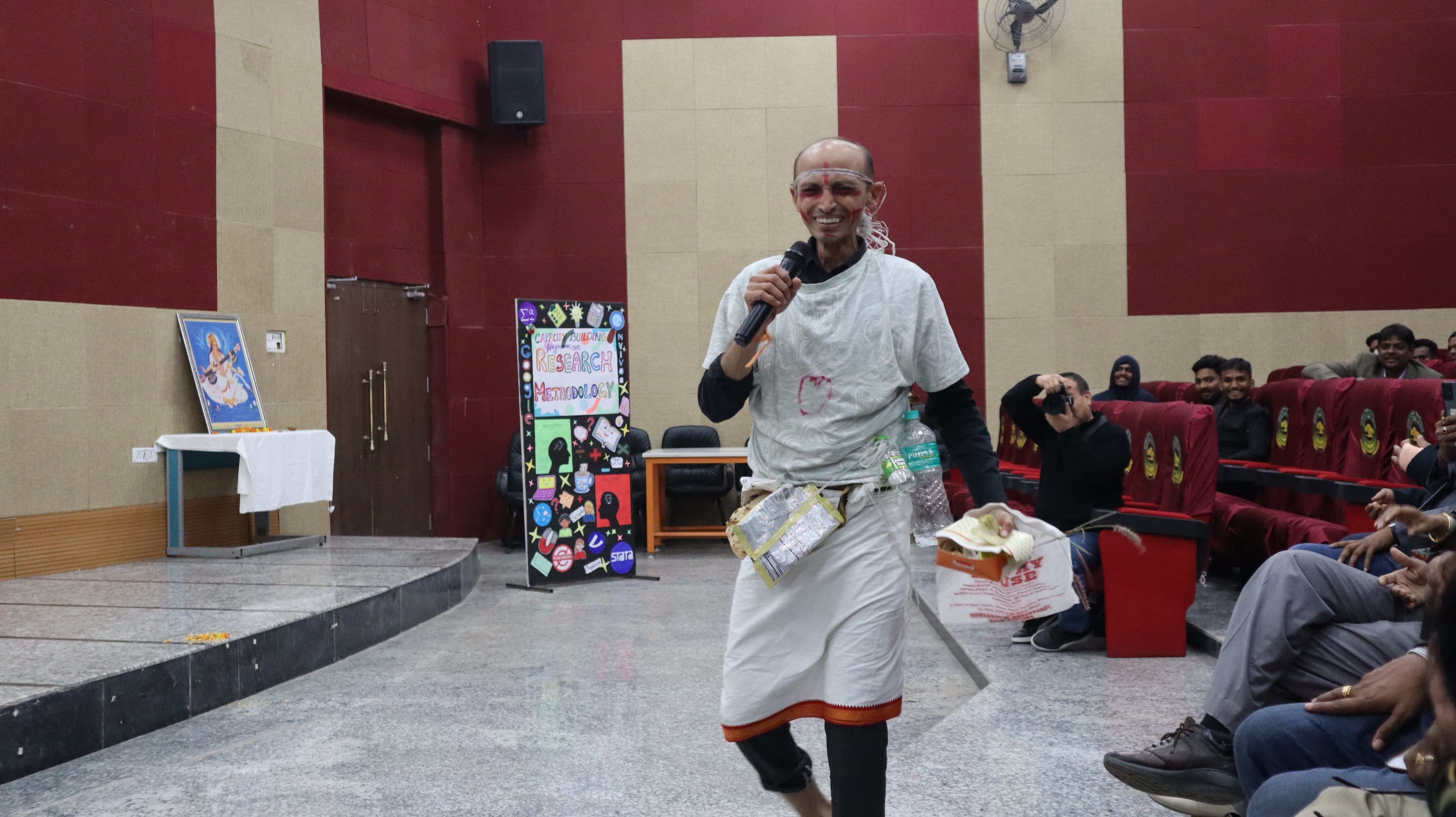
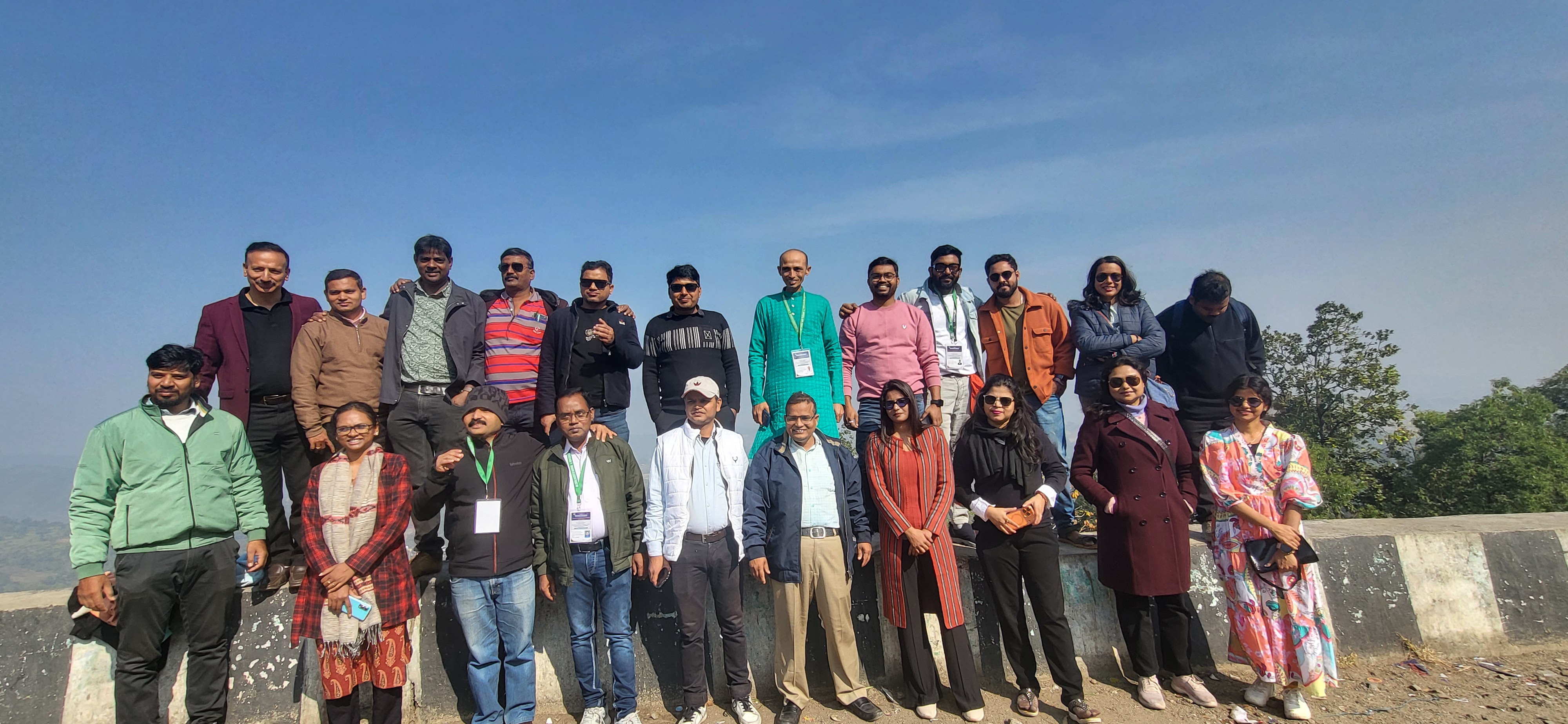
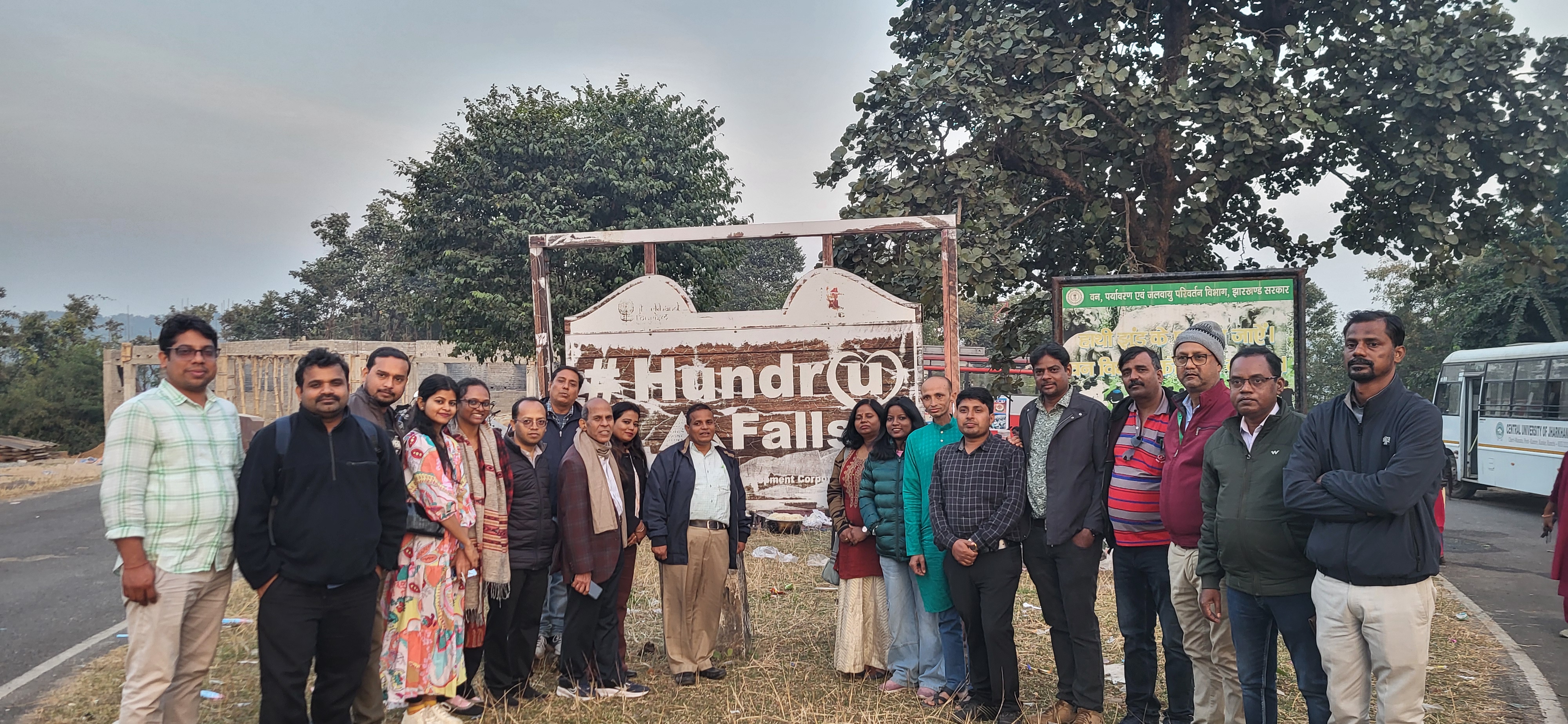
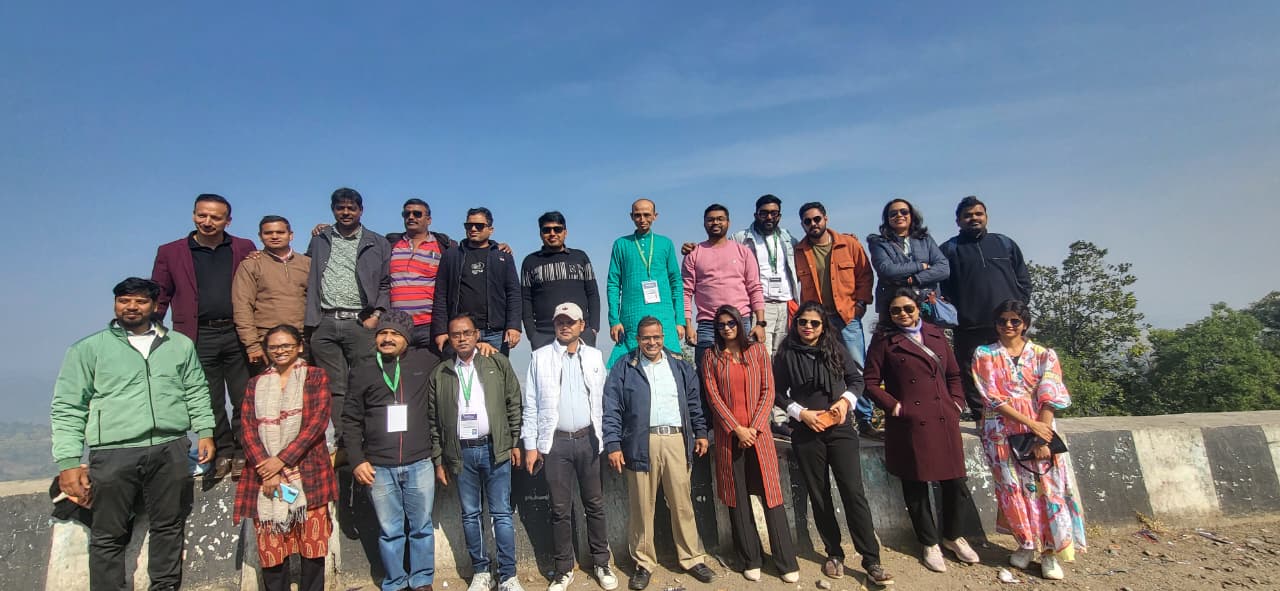
The programme enlightened and enriched the participants on the latest perspectives of quantitative and qualitative research methods in the social sciences through 48 academic sessions conducted during it. The programme offered comprehensive exposure to the participants in content areas like social science research and its significance, scope and processes of social science research, philosophical paradigms of research, ethical considerations of research and plagiarism, and literature review practices and appropriate referencing styles in research. The programme led the participants to an in-depth engagement with different research tools, including quantitative research tools such as tests, questionnaires, rating scales, and checklists, and qualitative research tools such as interview schedules, observation schedules, and focus group discussions. Quantitative research methods such as descriptive and experimental research, meta-analysis, and causal inference, as well as qualitative research methods including grounded theory, phenomenology, symbolic interactionism, ethnography, narrative inquiry, content analysis, naturalistic inquiry, decolonial perspectives of research, etc. were the focal points of discussion in the many sessions of the programme. Extensive emphasis was placed on data analysis using parametric and non-parametric statistics, supported by statistical and analytical software like SPSS, STATA, EViews, JAMOVI, and JASP, along with reference management tools such as Zotero and digital and AI-based research tools in many academic sessions of the programme. The qualitative research data management, coding, scaling, and analysis had a special place in the academic sessions of the programme. Mixed-method research was specially focused in the academic sessions in the programme. Sessions on research reporting, research publication, research proposal writing, research grant preparation, and promotion of research culture, including critical reflections on the Indian Knowledge System in research with reference to the perspectives of quantitative research and qualitative research in the programme provided participants a holistic understanding of contemporary research practices. Some of the sessions of the programme further emphasised on the effective use of library and e-library resources, complemented by a guided library visit to Central University of Jharkhand library which familiarised participants with the academic support services available in the university library. In an academic session, the Vice-Chancellor of the Central University of Jharkhand Prof. Kshiti Bhusan Das engaged the participants with research-oriented interactions, and he appreciated their representation from diverse disciplines, institutions, and states across the country. He remarked that this kind of programme fosters academic excellence by promoting interdisciplinary dialogue and a deeper understanding of social realities. In addition to academic deliberations and interactions, the programme offered hands-on learning through participant-led PowerPoint presentations on research issues, and field exposure-based activities (conducted in anthropological research sites at Patratu valley and Hundru fall of Ranchi) that connect theory with practice. The academic engagement of the event was further complemented by cultural evening(s), an evening notably graced by Padma Shree, Padma Bhushan and Grammy Awardee Pt. Vishwa Mohan Bhatt, whose captivating performance added a distinguished cultural dimension to the programme. These academic and cultural engagements together enriched the participants’ learning experiences and contributed significantly to the holistic success of the programme.
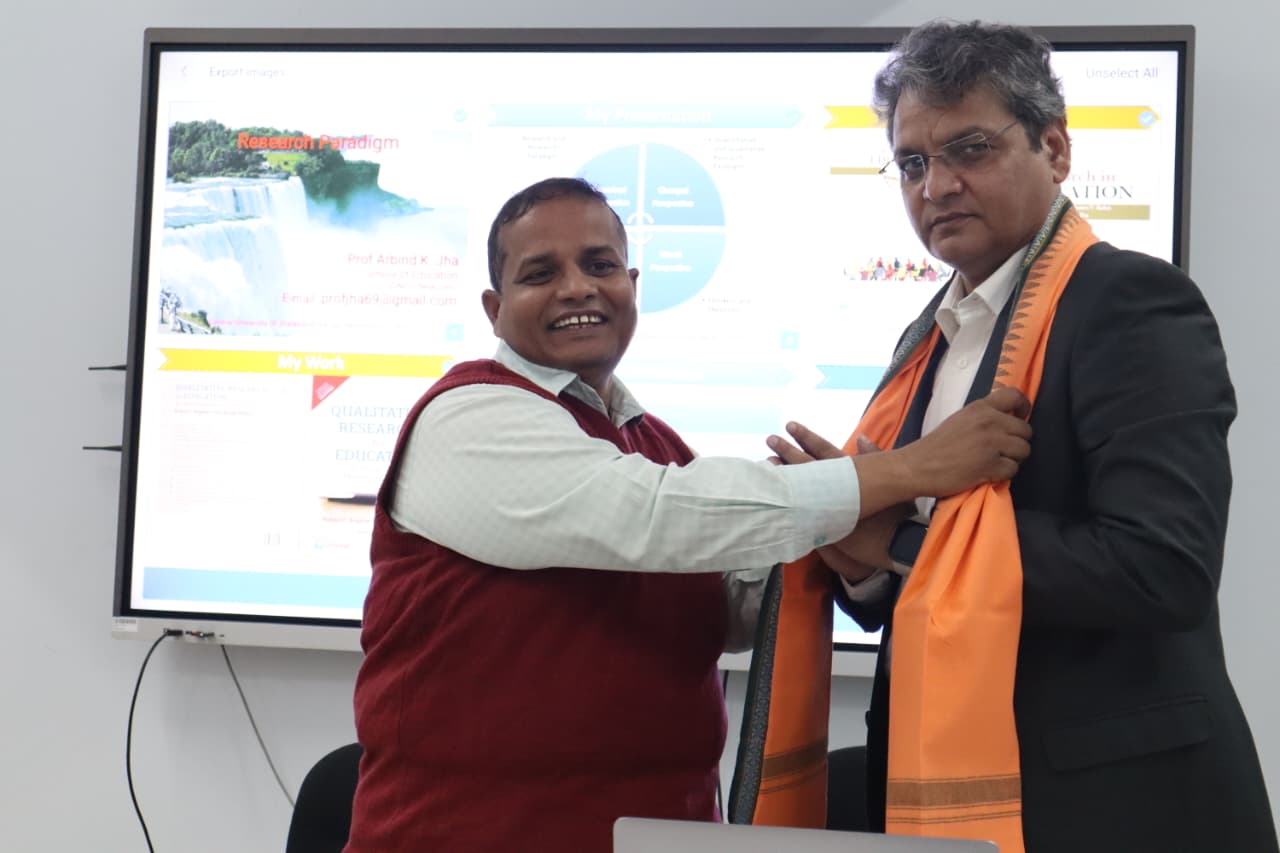
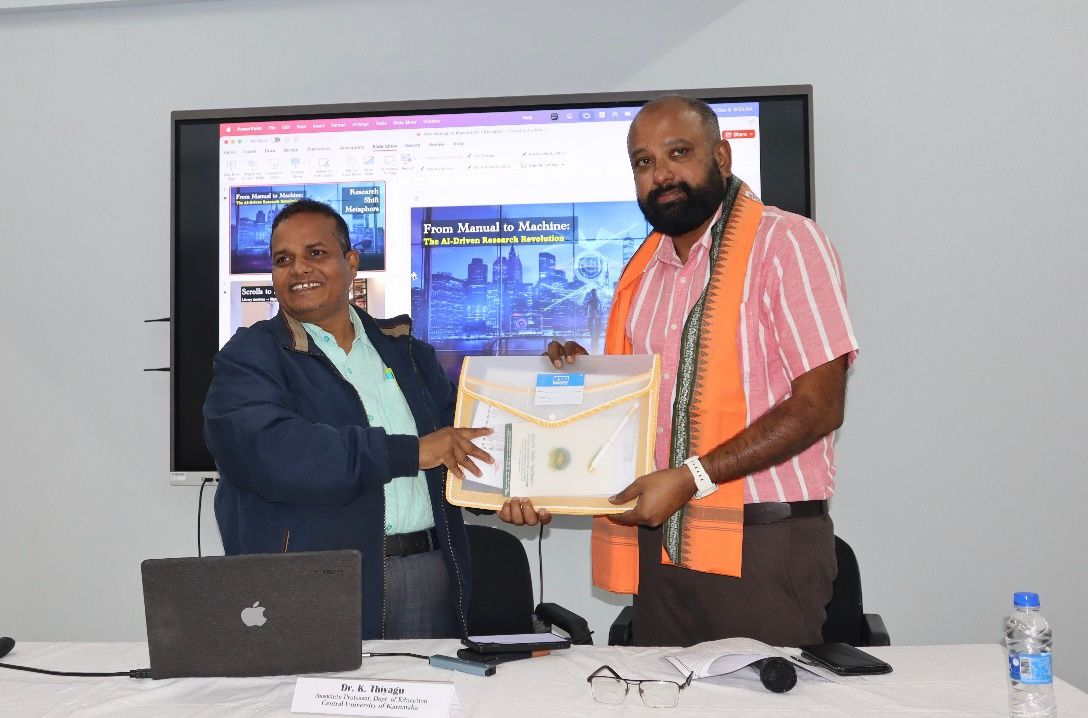
The National level Resource Persons for the programme included Prof. Santosh K. Panda (National Fellow, NIEPA, New Delhi), Prof. Arbind K. Jha (School of Education, IGNOU, New Delhi), Prof. P. C. Agarwal (Joint Director, NCERT, New Delhi), Dr. K. Thiyagu (Associate Professor, Central University of Karnataka), Dr. Inder Sekhar Yadav (Associate Professor of Humanities and Social Sciences, IIT Kharagpur) and Dr. Dukhabandhu Sahoo (Associate Professor, School of Humanities, Social Sciences and Management, IIT Bhubaneswar). The State level Resource Persons for the programme comprised Prof. C. B. Sharma, (Vice-Chancellor, Vinoba Bhave University, Hazaribagh), Prof. Ajit K. Behura (Department of Humanities and Social Sciences, IIT-ISM, Dhanbad), Prof. Purnachandra Padhan (Department of Economics, Xavier School of Management, Jamshedpur), Prof. Sanjoy Bhuyan, (Head, Department of Education, Jamshedpur Women’s University, Jamshedpur), Dr. Hari Charan Behera (Associate Professor, Indian Statistical Institute, Giridih) and Dr. Alok Raj (Associate Professor, Department of Production, Operations and Decision Sciences, Xavier School of Management, Jamshedpur). Prof. Niranjan Sahoo (Xavier Institute of Social Service, Ranchi), Dr. Binod Narayan (Associate Professor of Sociology, Ranchi University), Prof. Kshiti Bhusan Das ( Vice-Chancellor, Central University of Jharkhand), Prof. Shreya Bhattacharji ( Dean, School of Languages, Central University of Jharkhand), Prof. Dev Vrat Singh (Head, Department of Mass Communication and Media Technologies, Central University of Jharkhand), Dr. Alok Kumar Gupta (Dean, School of Social Sciences, Central University of Jharkhand), Dr. S. K. Pandey (Central University of Jharkhand Librarian), Prof. Vimal Kishor (Head, Department of Education, Central University of Jharkhand) and Dr. Shashi Singh (Associate Professor, Department of Education, Central University of Jharkhand) were the local level resource persons for the programme.
The programme was concluded with a valedictory session on its last day which was graced by Prof. P. C. Agarwal, Joint Director, NCERT, New Delhi as the Chief Guest of the session and Shri K. Koshala Rao, Registrar, Central University of Jharkhand delivered the presidential address on the valedictory occasion, marking the successful completion of the two-week capacity-building programme. In his valedictory address, Prof. P. C. Agarwal emphasised the importance of continuous professional development of the teachers, underscoring that a teacher must constantly update knowledge and competencies to remain relevant in an ever-evolving academic environment. With these insightful remarks, the programme was concluded successfully, marking a significant milestone for sustained academic engagement and scholarly capacity building of social science faculty members. Prof. Tapan Kumar Basantia, Dean, School of Education, Central University of Jharkhand, Ranchi served as the Course Director of the programme, while Dr. Sanhita Sucharita, Assistant Professor, Department of Economics and Development Studies served as the Co-Course Director of the programme. Overall, the programme was proved to be an intellectually enriching platform that fostered academic rigour, methodological clarity, collaborative learning, and sustained research engagement among social science faculty members from across the country. The programme not only strengthened participants’ research competencies but also led to the development of a vibrant research culture aligned with contemporary academic and societal needs.